GLP-1 Muscle Preservation Guide: Evidence-Based Protein & Strength Protocol (2026)
Quick Answer
Yes, some lean body mass loss commonly occurs during significant weight loss with GLP-1 medications such as semaglutide and tirzepatide. However, losing muscle is not an unavoidable outcome. Current evidence suggests that adequate protein intake, regular resistance training, maintaining physical activity, and avoiding excessive calorie restriction may help preserve more lean mass while still supporting meaningful fat loss.
The goal should not be to lose weight as quickly as possible. The goal is to improve body composition, meaning losing more fat while protecting as much muscle as reasonably possible.
Why This Guide Matters
GLP-1 medications have transformed obesity treatment.
Millions of people using Ozempic®, Wegovy®, Mounjaro®, and Zepbound® are achieving weight loss that previously seemed out of reach.
But success creates a new question.
What exactly are you losing?
The bathroom scale cannot tell you.
Every pound lost may include a combination of:
Body fat
Water
Glycogen
Lean body mass
Skeletal muscle
For most people, the ideal outcome is simple.
Lose as much excess body fat as possible while preserving the muscle that supports strength, metabolism, mobility, and long-term weight maintenance.
Unfortunately, many online articles stop after saying:
"Just eat more protein."
That advice is incomplete.
Protecting muscle during GLP-1 therapy involves understanding how these medications affect appetite, nutrition, physical activity, and body composition. It also requires knowing what current research actually shows and where uncertainty still exists.
This guide brings those pieces together into one practical, evidence-informed resource.
What You Will Learn
By the end of this guide, you'll understand:
Why muscle loss can happen during GLP-1 treatment
How semaglutide and tirzepatide compare based on current evidence
Why protein intake matters more than most people realize
How resistance training helps preserve lean mass
Practical ways to meet protein goals despite reduced appetite
Which progress markers matter more than the scale
Common mistakes that increase the risk of excessive lean mass loss
Whether you recently started treatment or have been using a GLP-1 medication for months, these principles can help you make more informed decisions alongside your healthcare team.
Understanding Body Composition
One of the biggest misconceptions about weight loss is that every pound lost represents body fat.
That is not how the human body works.
Body weight consists of several components.
Component
Includes
Fat Mass
Stored body fat and essential fat
Lean Body Mass
Skeletal muscle, organs, connective tissue, and body water
Bone Mass
The mineral content of bones
When clinicians talk about body composition, they are referring to the proportion of these different tissues rather than body weight alone.
Improving body composition generally means:
Losing more fat
Preserving more muscle
Maintaining physical function
Supporting long-term metabolic health
For people taking GLP-1 medications, this distinction is especially important because rapid weight loss can include both fat and lean tissue.
Why Muscle Matters More Than You Think
Muscle is often associated with appearance, but its role goes far beyond aesthetics.
Healthy skeletal muscle contributes to:
Everyday strength
Walking speed
Balance
Climbing stairs
Carrying groceries
Joint stability
Healthy aging
Glucose regulation
Energy expenditure
Functional independence
Losing too much lean mass may contribute to:
Reduced physical strength
Lower exercise capacity
Greater fatigue
Increased frailty in older adults
More difficulty maintaining weight loss over time
For these reasons, many obesity specialists now encourage patients to focus on fat loss with muscle preservation, not simply achieving the lowest possible number on the scale.
Why Muscle Loss Can Occur During GLP-1 Therapy
GLP-1 medications do not directly "eat away" at muscle.
Instead, several biological and behavioral factors may contribute to lean mass loss during treatment.
1. Lower Calorie Intake
GLP-1 medications reduce appetite and slow gastric emptying.
As a result, many people naturally consume fewer calories.
A calorie deficit is necessary for weight loss, but when energy intake falls substantially, the body may lose both fat and lean tissue.
2. Reduced Protein Intake
Smaller meals often mean less protein.
Many people unintentionally eat far below their daily protein needs because they simply do not feel hungry enough.
Without enough dietary protein, the body has fewer amino acids available to support muscle maintenance and repair.
3. Less Resistance Exercise
During the first weeks of treatment, nausea, fatigue, gastrointestinal discomfort, or reduced energy may lead some people to exercise less.
When muscles are no longer challenged regularly, the body receives fewer signals to maintain them.
This is one reason resistance training is considered an important part of preserving lean body mass during weight loss.
4. Faster Weight Loss
Rapid weight reduction from any intervention, including lifestyle changes, bariatric surgery, or GLP-1 therapy, generally includes some lean tissue loss alongside fat loss.
The objective is not to eliminate lean mass loss entirely.
Instead, the goal is to reduce its proportion while maximizing fat loss.
Fat Loss vs. Muscle Loss: Understanding the Difference
One of the most valuable ways to think about GLP-1 treatment is through body composition quality rather than total weight lost.
Consider two people who each lose 40 pounds.
Person A
34 pounds of fat loss
6 pounds of lean mass loss
Improved strength
Better mobility
Person B
24 pounds of fat loss
16 pounds of lean mass loss
Reduced strength
Lower physical performance
The scale shows the same result.
Their bodies tell very different stories.
This is why many obesity medicine specialists encourage tracking more than body weight alone.
Strength, waist circumference, physical function, and body composition can provide a more complete picture of progress.
The New Goal: Better Body Composition
The future of obesity treatment is shifting away from asking:
"How much weight did you lose?"
Toward asking:
"How much fat did you lose while preserving muscle?"
That small change in perspective has important implications.
Instead of focusing only on faster weight loss, a body composition approach encourages patients to:
Prioritize adequate protein.
Include regular resistance exercise.
Stay physically active.
Monitor strength over time.
Work with their healthcare team to support sustainable results.
For many people, this strategy may improve not only how much weight they lose, but also how they feel, move, and function throughout treatment.
Semaglutide vs. Tirzepatide: Does One Cause More Muscle Loss?
One of the most common questions among GLP-1 users is:
"Does tirzepatide cause more muscle loss than semaglutide?"
The short answer is possibly, but the complete picture is more complex than many headlines suggest.
Both medications can produce substantial weight loss. Because tirzepatide often results in greater average total weight loss in clinical studies, researchers have investigated whether it is also associated with greater reductions in lean body mass.
Current research suggests that lean mass declines can occur with both medications. However, the amount of muscle preserved appears to depend on far more than the medication itself.
Important factors include:
Total weight lost
Rate of weight loss
Daily protein intake
Resistance training habits
Age
Starting muscle mass
Overall health
Total calorie intake
Physical activity
This means two people taking the same medication may experience very different body composition outcomes.
The medication creates the opportunity for weight loss.
Daily habits influence how much of that weight comes from fat versus lean tissue.
What Current Research Suggests
Several recent studies have examined changes in lean body mass during GLP-1 therapy.
Although study designs differ, several consistent patterns have emerged.
Researchers generally agree that:
Weight loss includes both fat mass and lean body mass.
Larger overall weight loss often leads to larger absolute lean mass reductions.
Resistance exercise consistently improves lean mass preservation.
Adequate protein intake appears to support better body composition outcomes.
Individual responses vary considerably.
Some newer observational research has suggested differences between semaglutide and tirzepatide regarding relative lean mass decline. However, these findings continue to be evaluated and should be interpreted within the limitations of observational studies.
The most practical takeaway is not choosing one medication over another solely because of muscle concerns.
Instead, focus on building habits that help preserve muscle regardless of which GLP-1 medication you and your clinician choose.
Why Looking Only at Percentages Can Be Misleading
Suppose two people lose different amounts of total weight.
Person
Total Weight Lost
Lean Mass Lost
Fat Lost
Person A
30 lb
6 lb
24 lb
Person B
50 lb
9 lb
41 lb
Person B lost more lean mass.
However, Person B also preserved a larger proportion of total weight loss as fat reduction.
This example illustrates why percentages without context can be misleading.
Instead of asking:
"How much muscle was lost?"
A better question is:
"How much muscle was preserved while achieving meaningful fat loss?"
That shift reflects the growing emphasis on body composition rather than body weight alone.
Understanding the Depletive Metabotype
One emerging concept in body composition research is the Depletive Metabotype.
Although the term is not a medical diagnosis, it has been used in research to describe people who experience a greater-than-expected reduction in lean body mass during weight loss.
Rather than focusing only on pounds lost, this concept encourages clinicians to identify individuals who may need additional nutritional and exercise support.
Think of it as an early warning pattern, not a disease.
The value of this concept is simple.
If healthcare providers can recognize people who are losing muscle more rapidly, they may be able to adjust nutrition, physical activity, and monitoring before functional decline develops.
Who May Be at Higher Risk?
Current evidence suggests several factors may increase the likelihood of greater lean mass loss.
These include:
Older age
Low muscle mass before starting treatment
Very low protein intake
Sedentary lifestyle
Rapid weight loss
Chronic illness
Recovery from surgery
Extended periods of inactivity
Poor overall nutritional status
Having one or more of these factors does not mean significant muscle loss is unavoidable.
Instead, it highlights why individualized nutrition and exercise planning can be important throughout treatment.
The Clinical Benchmark: Why 1.6 g/kg/Day Has Received Attention
Among all nutrition questions, one appears more often than any other.
"How much protein should I eat while taking Ozempic or Zepbound?"
There is no universal answer.
Protein requirements depend on:
Body weight
Age
Medical history
Physical activity
Total calorie intake
Kidney function
Treatment goals
However, one number appears repeatedly in modern sports nutrition and muscle preservation research.
1.6 grams of protein per kilogram of body weight per day.
This intake has gained attention because it may provide sufficient protein for many active adults attempting to preserve lean mass while losing weight.
It is important to understand what this number is not.
It is not:
A prescription.
A requirement for every person.
A guarantee against muscle loss.
A replacement for individualized nutrition advice.
Instead, it serves as a practical reference point that should be interpreted alongside personal medical circumstances.
People with chronic kidney disease or other conditions affecting protein metabolism should discuss individualized targets with their healthcare provider before increasing protein intake.
GLPIANS Protein Distribution Framework
Many people focus only on their total daily protein intake.
Equally important is how that protein is distributed throughout the day.
Instead of consuming most protein at dinner, many nutrition experts recommend spreading protein across several meals.
The GLPIANS Protein Distribution Framework is a practical way to think about this.
Step 1
Calculate your approximate daily protein target.
Step 2
Divide that target across three or four meals rather than one large meal.
Step 3
Prioritize high-quality protein first before adding other foods.
Step 4
Adjust portion sizes according to appetite while aiming for consistency over perfection.
This framework is intended as an educational planning tool rather than a rigid rule.
Protein Calculator Reference Table
The following table provides general examples using commonly discussed intake ranges.
Body Weight
1.2 g/kg
1.6 g/kg
2.0 g/kg
60 kg
72 g
96 g
120 g
70 kg
84 g
112 g
140 g
80 kg
96 g
128 g
160 g
90 kg
108 g
144 g
180 g
100 kg
120 g
160 g
200 g
These examples are educational only and should not replace individualized medical advice.
Why Protein Timing Matters
Meeting your protein goal by eating one very large dinner is often difficult for people taking GLP-1 medications.
Smaller, evenly distributed meals may be easier to tolerate while providing repeated opportunities to support muscle protein synthesis.
A practical example might look like this:
Meal
Approximate Protein
Breakfast
25 to 30 g
Lunch
30 to 35 g
Dinner
30 to 35 g
Evening Snack
15 to 25 g
The exact amounts are less important than maintaining a consistent daily intake that aligns with your healthcare team's recommendations.
The Leucine Trigger Explained
If you have researched protein online, you have probably encountered the word leucine.
Leucine is one of the essential amino acids found in dietary protein.
It plays an important role in signaling muscle protein synthesis, which is the process the body uses to build and repair muscle tissue.
Many complete protein foods naturally provide leucine.
Examples include:
Greek yogurt
Cottage cheese
Eggs
Chicken breast
Turkey
Lean beef
Fish
Milk
Whey protein
Soy foods
Rather than focusing on isolated leucine supplements, most people can meet their leucine needs by consuming sufficient amounts of high-quality protein throughout the day.
For individuals with reduced appetite, prioritizing protein-rich foods first at each meal may make it easier to reach daily nutrition goals.
Key Takeaways From This Section
Semaglutide and tirzepatide can both be associated with lean body mass loss during weight reduction.
Lifestyle habits remain one of the biggest influences on muscle preservation.
The 1.6 g/kg/day benchmark is a useful educational reference, not a universal prescription.
Distributing protein throughout the day may support muscle maintenance better than consuming most protein in one meal.
High-quality protein sources naturally provide leucine, an important amino acid involved in muscle protein synthesis.
The objective is not simply eating more protein. It is building a sustainable nutrition strategy that supports fat loss while preserving lean mass.
Solving the Appetite Paradox
One of the biggest challenges during GLP-1 therapy is surprisingly simple.
You need more protein at exactly the time you feel less interested in eating.
Reduced appetite is one of the primary reasons GLP-1 medications are effective for weight loss. However, it also makes it easier to unintentionally underconsume protein, calories, vitamins, and minerals.
Many people experience this pattern:
Breakfast is skipped.
Lunch is very small.
Dinner is difficult to finish.
Protein intake gradually falls well below daily needs.
Over weeks and months, consistently low protein intake may make preserving lean body mass more difficult, especially when combined with rapid weight loss and limited resistance exercise.
The solution is not forcing large meals.
The solution is making every bite count.
Think Protein First
Rather than asking:
"What should I eat?"
Try asking:
"Where is the protein in this meal?"
Making protein the foundation of each meal naturally improves the overall nutritional quality of your diet.
A practical order for building meals is:
Protein
Vegetables or fruit
Whole-grain or high-fiber carbohydrate
Healthy fats as appropriate
This simple framework is easier to remember than counting dozens of nutrition targets.
Choose Protein-Dense Foods
When appetite is reduced, volume matters.
Foods that provide a high amount of protein in a relatively small serving are often easier to incorporate into a GLP-1 eating pattern.
Examples include:
Food
Why It Works
Greek yogurt
High protein with a small serving size
Cottage cheese
Easy to eat and rich in complete protein
Eggs
Convenient and versatile
Chicken breast
Lean, filling, and protein-rich
Turkey
High-quality protein with relatively low fat
Salmon
Protein plus heart-healthy fats
Tuna
Portable and protein-dense
Tofu
Excellent plant-based option
Edamame
Protein and fiber together
Whey protein shake
Helpful when solid meals feel difficult
There is no single "perfect" protein source.
Consistency matters far more than perfection.
Small Meals Can Still Deliver Big Nutrition
Many people believe they must eat large portions to preserve muscle.
That is not necessarily true.
If appetite is significantly reduced, four smaller meals may feel much more manageable than two large ones.
For example:
Breakfast
Greek yogurt with berries
Midday Meal
Grilled chicken with vegetables
Afternoon Snack
Protein shake or cottage cheese
Dinner
Baked salmon with roasted vegetables
The exact foods are less important than creating a routine that consistently supports your nutritional goals.
Hydration Still Matters
Reduced food intake sometimes leads to reduced fluid intake as well.
Although hydration does not directly preserve muscle, it supports:
Exercise performance
Digestion
Overall well-being
Physical recovery
Water remains the best choice for most people.
Discuss individualized hydration recommendations with your healthcare team if you experience persistent vomiting, diarrhea, or other medical concerns.
The GLPIANS Daily Meal Framework
Rather than following restrictive meal plans, the GLPIANS Daily Meal Framework focuses on building repeatable habits.
Morning
Start with a protein-rich breakfast whenever possible.
Examples include:
Greek yogurt
Eggs
Cottage cheese
Protein smoothie
Midday
Build lunch around lean protein.
Examples include:
Chicken salad
Turkey wrap
Tofu bowl
Tuna with vegetables
Afternoon
Choose a protein-rich snack if needed.
Examples include:
Protein shake
Edamame
Cottage cheese
Low-fat cheese
Evening
Finish the day with another balanced protein-centered meal.
Examples include:
Salmon
Chicken
Lean beef
Tofu
Lentils
This framework is intentionally flexible.
The best nutrition plan is one you can realistically maintain over months, not just days.
The GLPIANS 3-Day Home Resistance Blueprint
Resistance training remains one of the most effective lifestyle strategies for preserving lean body mass during weight loss.
You do not need expensive equipment or long workouts.
A simple, consistent routine performed three times per week can provide a meaningful training stimulus for most beginners.
Always consult your healthcare provider before beginning a new exercise program, particularly if you have existing medical conditions or physical limitations.
Day 1: Lower Body Foundation
Exercise
Sets
Repetitions
Bodyweight Squat
2 to 3
8 to 12
Glute Bridge
2 to 3
10 to 15
Step-Up
2
8 to 10 per leg
Standing Calf Raise
2
12 to 15
Side Plank
2
20 to 30 seconds
Day 2: Upper Body Strength
Exercise
Sets
Repetitions
Incline Push-Up
2 to 3
8 to 12
Resistance Band Row
2 to 3
10 to 15
Shoulder Press
2
8 to 12
Biceps Curl
2
10 to 12
Triceps Extension
2
10 to 12
Day 3: Full Body Functional Strength
Exercise
Sets
Repetitions
Goblet Squat
2 to 3
8 to 12
Romanian Deadlift
2 to 3
8 to 12
One-Arm Row
2
10 to 12
Farmer Carry
2
30 to 60 seconds
Plank
2
30 to 45 seconds
Progressive Overload Made Simple
Muscle adapts only when it continues receiving an appropriate challenge.
Progress does not require dramatic increases in weight.
Instead, improve one variable at a time.
Examples include:
One additional repetition
Slightly heavier resistance
Better exercise technique
One additional set
Shorter rest periods
Small improvements repeated consistently often produce better long-term results than aggressive increases that cannot be maintained.
Walking Is Still Important
Resistance training preserves muscle.
Walking supports overall health.
The two are complementary rather than competing.
Walking may help support:
Cardiovascular fitness
Daily activity levels
Blood sugar management
Mental well-being
Recovery between strength sessions
Whenever possible, include both forms of activity in your weekly routine.
Measuring Progress Beyond the Scale
One of the biggest mistakes people make is judging success only by body weight.
The scale tells you how much you weigh.
It does not tell you what changed.
A better approach is to monitor several indicators together.
1. Strength
Ask yourself:
Can I lift more than last month?
Can I perform more repetitions?
Do everyday activities feel easier?
Improving strength is often a positive sign that functional muscle is being maintained.
2. Waist Circumference
A shrinking waist combined with stable strength often suggests favorable body composition changes.
Measure under similar conditions each time for more consistent comparisons.
3. Energy Levels
Healthy progress should support daily life.
Ask yourself:
Am I less fatigued?
Am I walking farther?
Do I recover more quickly?
These improvements matter just as much as changes on the scale.
4. Body Composition Testing
When available, body composition assessments can provide additional information.
DEXA Scan
Often considered one of the most accurate methods for estimating fat mass, lean mass, and bone density.
Bioelectrical Impedance Analysis (BIA)
Useful for monitoring long-term trends, although hydration and several other factors can influence individual measurements.
Neither test is essential for everyone, but both may provide helpful information when interpreted appropriately.
The GLPIANS Muscle Preservation Scorecard
Instead of asking only:
"Did I lose weight this week?"
Review these five questions.
Weekly Checkpoint
Goal
Did I reach my protein goal most days?
Yes
Did I complete at least two or three strength sessions?
Yes
Am I maintaining or improving strength?
Yes
Is my waist measurement improving over time?
Yes
Do I feel physically capable and energetic?
Yes
A scorecard like this shifts attention from chasing lower numbers on the scale to building healthier long-term habits.
Over time, those habits are far more likely to support sustainable body composition improvements.
The Most Common Mistakes That Can Increase Lean Mass Loss
Many people worry that muscle loss is entirely outside their control once they begin a GLP-1 medication.
Current evidence suggests otherwise.
While some lean body mass loss commonly accompanies significant weight reduction, several everyday habits may influence how much muscle is preserved throughout treatment.
Mistake 1: Focusing Only on the Scale
Weight loss is only one measure of progress.
If every decision revolves around seeing a lower number each week, important indicators such as strength, mobility, and body composition can easily be overlooked.
A better question is:
"Am I becoming healthier and stronger while losing fat?"
That shift in mindset often leads to more sustainable results.
Mistake 2: Treating Protein as an Afterthought
Many people naturally eat less after starting GLP-1 therapy.
If protein intake decreases alongside total calories, preserving lean body mass becomes more challenging.
Instead of saving protein for dinner, make it the foundation of every meal.
Small, consistent improvements usually matter more than occasional high-protein days.
Mistake 3: Relying Only on Walking
Walking is one of the best forms of physical activity for overall health.
However, walking alone does not provide the same stimulus for maintaining muscle as resistance training.
The strongest long-term approach usually combines:
Regular walking
Resistance training
Adequate protein
Consistent recovery
These habits work together rather than competing with one another.
Mistake 4: Losing Weight Too Aggressively
Extremely restrictive eating patterns may increase the likelihood of losing lean tissue alongside fat.
Rapid progress can feel rewarding in the short term, but sustainable body composition improvement usually comes from balancing weight loss with proper nutrition and physical activity.
Following the treatment plan developed with your healthcare team is generally more effective than pursuing aggressive calorie restriction on your own.
Mistake 5: Ignoring Recovery
Muscles adapt during recovery, not during exercise itself.
Sleep, hydration, nutrition, and appropriate rest days all contribute to maintaining physical performance and supporting muscle repair.
Recovery should be viewed as an essential part of a muscle preservation strategy rather than time away from progress.
Muscle Preservation Myths vs. Evidence
Myth
What Current Evidence Suggests
GLP-1 medications directly destroy muscle.
Lean body mass loss is influenced by multiple factors, including total weight loss, nutrition, and physical activity.
More protein automatically prevents muscle loss.
Protein is important, but resistance training and overall nutrition also play major roles.
Walking is enough to maintain muscle.
Walking supports overall health, but resistance training remains the primary exercise for preserving strength and lean mass.
Everyone should eat exactly 1.6 g/kg/day of protein.
Protein needs vary by age, health status, activity level, and medical history. Individual guidance is important.
The scale tells the full story.
Body composition, strength, mobility, and waist circumference provide a more complete picture of progress.
When Should You Contact Your Healthcare Provider?
Some fatigue and appetite changes can occur during GLP-1 treatment.
However, certain symptoms deserve prompt medical evaluation.
Speak with your healthcare provider if you experience:
Progressive muscle weakness
Difficulty performing everyday activities that previously felt easy
Repeated falls or balance problems
Persistent nausea or vomiting that limits food or fluid intake
Signs of dehydration
Rapid, unintended weight loss
Difficulty meeting basic nutritional needs
Concerns about significant loss of strength or muscle mass
Do not make changes to prescription medications or dosing schedules without guidance from your prescribing clinician.
Frequently Asked Questions
Does everyone lose muscle while taking Ozempic or Wegovy?
Not necessarily. Some lean body mass loss commonly accompanies substantial weight reduction, but the amount varies widely. Nutrition, resistance training, physical activity, age, and overall health all influence body composition outcomes.
Is tirzepatide worse than semaglutide for muscle preservation?
Current research continues to evaluate differences between these medications. While some studies suggest differences in lean body mass outcomes, the overall quality of nutrition, exercise habits, and total weight loss remain major contributors to muscle preservation.
Can resistance training completely prevent muscle loss?
No.
Some lean mass reduction may still occur during significant weight loss.
However, resistance training is one of the most effective lifestyle strategies for helping preserve muscle strength and functional capacity.
Should I increase my protein intake?
Protein requirements vary from person to person.
Your healthcare provider or registered dietitian can help determine an appropriate target based on your medical history, activity level, kidney function, and treatment goals.
Should I track body composition?
If body composition testing is available, it can provide additional information beyond body weight.
However, many people can monitor progress effectively by tracking:
Strength
Waist circumference
Physical function
Energy levels
Exercise performance
Key Takeaways
If you remember only a few ideas from this guide, make them these.
Successful GLP-1 treatment is about improving body composition, not simply reducing body weight.
Losing some lean body mass during significant weight loss is common, but excessive muscle loss is not inevitable.
Protein intake, resistance training, physical activity, and recovery all contribute to preserving muscle.
Consistency usually matters more than perfection.
Tracking strength and physical function provides valuable information that the scale cannot measure.
Sustainable habits are more important than rapid short-term progress.
Final Thoughts
GLP-1 medications have changed the landscape of obesity treatment by making meaningful weight loss possible for many people.
The next challenge is ensuring that the weight being lost is primarily body fat while preserving the muscle that supports strength, movement, metabolism, and long-term health.
There is no single food, supplement, exercise, or medication that guarantees perfect body composition.
Instead, successful muscle preservation comes from combining evidence-informed nutrition, regular resistance training, realistic expectations, and ongoing communication with your healthcare team.
Viewed this way, muscle preservation is not a separate goal from weight loss.
It is part of achieving healthier, more sustainable results.
Continue Your GLP-1 Journey with GLPIANS
If you're looking for a structured, practical approach to protecting lean body mass during GLP-1 therapy, the GLPIANS GLP-1 Muscle Preservation guide expands on the principles covered in this article with detailed nutrition strategies, progressive strength plans, meal planning ideas, and practical solutions for reduced appetite.
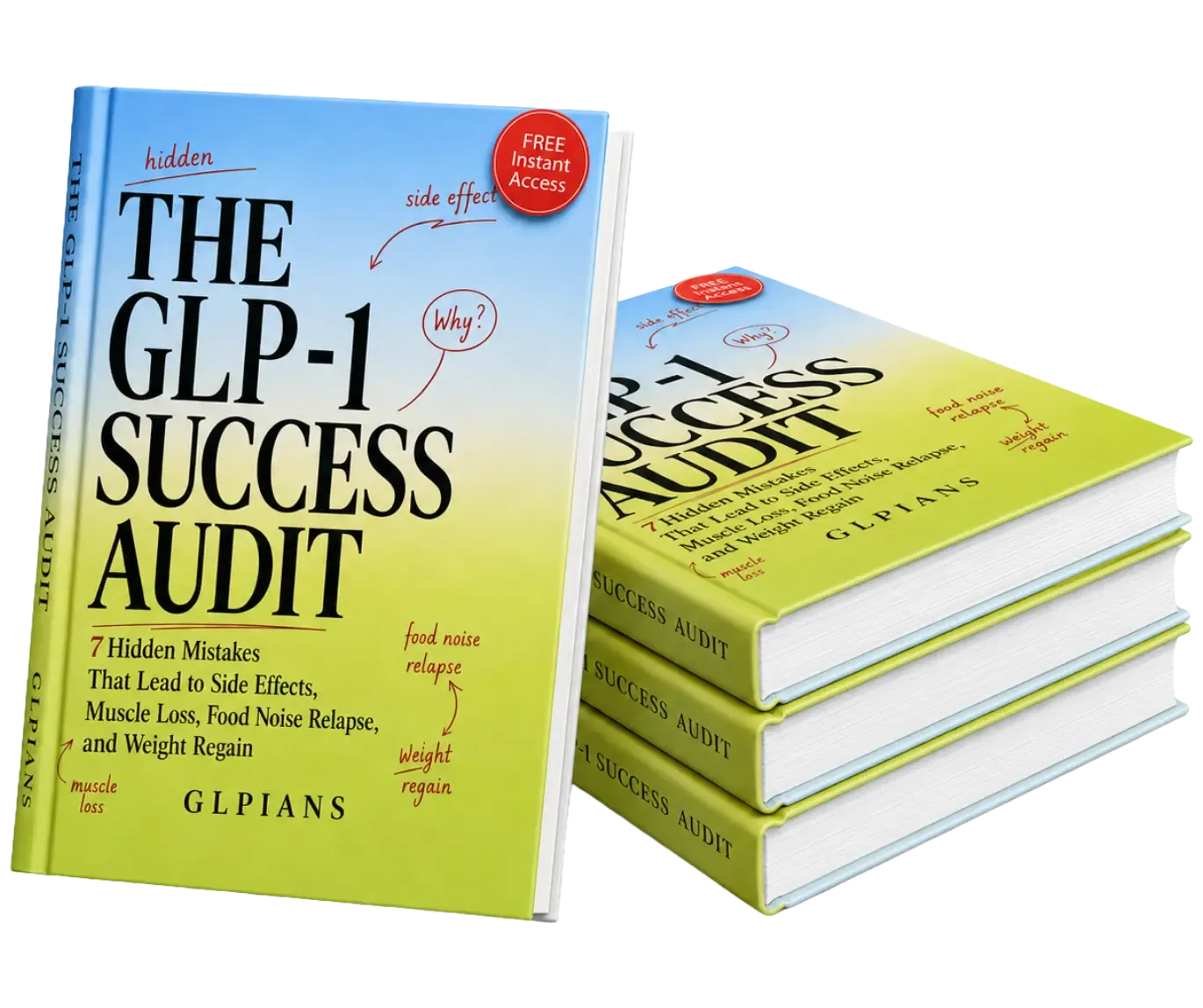
If you're just getting started or want to identify potential gaps in your routine, routine, the free GLPIANS Success Audit today. helps you review common habits that may affect your progress and highlights practical areas to discuss with your healthcare team.
Medical Disclaimer
This article is intended for educational purposes only and should not be considered medical advice. GLP-1 medications, including semaglutide and tirzepatide, are prescription treatments that should only be used under the supervision of a qualified healthcare professional. Nutrition, exercise, and protein requirements vary from person to person. Always consult your healthcare provider before making significant changes to your diet, exercise program, or prescribed treatment plan.
Quick Answer
Yes, some lean body mass loss commonly occurs during significant weight loss with GLP-1 medications such as semaglutide and tirzepatide. However, losing muscle is not an unavoidable outcome. Current evidence suggests that adequate protein intake, regular resistance training, maintaining physical activity, and avoiding excessive calorie restriction may help preserve more lean mass while still supporting meaningful fat loss.
The goal should not be to lose weight as quickly as possible. The goal is to improve body composition, meaning losing more fat while protecting as much muscle as reasonably possible.
Why This Guide Matters
GLP-1 medications have transformed obesity treatment.
Millions of people using Ozempic®, Wegovy®, Mounjaro®, and Zepbound® are achieving weight loss that previously seemed out of reach.
But success creates a new question.
What exactly are you losing?
The bathroom scale cannot tell you.
Every pound lost may include a combination of:
Body fat
Water
Glycogen
Lean body mass
Skeletal muscle
For most people, the ideal outcome is simple.
Lose as much excess body fat as possible while preserving the muscle that supports strength, metabolism, mobility, and long-term weight maintenance.
Unfortunately, many online articles stop after saying:
"Just eat more protein."
That advice is incomplete.
Protecting muscle during GLP-1 therapy involves understanding how these medications affect appetite, nutrition, physical activity, and body composition. It also requires knowing what current research actually shows and where uncertainty still exists.
This guide brings those pieces together into one practical, evidence-informed resource.
FREE GLP-1 SUCCESS AUDIT
Understand your medication journey with confidence.
Trusted, easy-to-use resources designed to help you make sense of your GLP-1 experience.
How semaglutide and tirzepatide compare based on current evidence
Why protein intake matters more than most people realize
How resistance training helps preserve lean mass
Practical ways to meet protein goals despite reduced appetite
Which progress markers matter more than the scale
Common mistakes that increase the risk of excessive lean mass loss
Whether you recently started treatment or have been using a GLP-1 medication for months, these principles can help you make more informed decisions alongside your healthcare team.
Understanding Body Composition
One of the biggest misconceptions about weight loss is that every pound lost represents body fat.
That is not how the human body works.
Body weight consists of several components.
Component
Includes
Fat Mass
Stored body fat and essential fat
Lean Body Mass
Skeletal muscle, organs, connective tissue, and body water
Bone Mass
The mineral content of bones
When clinicians talk about body composition, they are referring to the proportion of these different tissues rather than body weight alone.
Improving body composition generally means:
Losing more fat
Preserving more muscle
Maintaining physical function
Supporting long-term metabolic health
For people taking GLP-1 medications, this distinction is especially important because rapid weight loss can include both fat and lean tissue.
Why Muscle Matters More Than You Think
Muscle is often associated with appearance, but its role goes far beyond aesthetics.
Healthy skeletal muscle contributes to:
Everyday strength
Walking speed
Balance
Climbing stairs
Carrying groceries
Joint stability
Healthy aging
Glucose regulation
Energy expenditure
Functional independence
Losing too much lean mass may contribute to:
Reduced physical strength
Lower exercise capacity
Greater fatigue
Increased frailty in older adults
More difficulty maintaining weight loss over time
For these reasons, many obesity specialists now encourage patients to focus on fat loss with muscle preservation, not simply achieving the lowest possible number on the scale.
Why Muscle Loss Can Occur During GLP-1 Therapy
GLP-1 medications do not directly "eat away" at muscle.
Instead, several biological and behavioral factors may contribute to lean mass loss during treatment.
1. Lower Calorie Intake
GLP-1 medications reduce appetite and slow gastric emptying.
As a result, many people naturally consume fewer calories.
A calorie deficit is necessary for weight loss, but when energy intake falls substantially, the body may lose both fat and lean tissue.
2. Reduced Protein Intake
Smaller meals often mean less protein.
Many people unintentionally eat far below their daily protein needs because they simply do not feel hungry enough.
Without enough dietary protein, the body has fewer amino acids available to support muscle maintenance and repair.
3. Less Resistance Exercise
During the first weeks of treatment, nausea, fatigue, gastrointestinal discomfort, or reduced energy may lead some people to exercise less.
When muscles are no longer challenged regularly, the body receives fewer signals to maintain them.
This is one reason resistance training is considered an important part of preserving lean body mass during weight loss.
4. Faster Weight Loss
Rapid weight reduction from any intervention, including lifestyle changes, bariatric surgery, or GLP-1 therapy, generally includes some lean tissue loss alongside fat loss.
The objective is not to eliminate lean mass loss entirely.
Instead, the goal is to reduce its proportion while maximizing fat loss.
Fat Loss vs. Muscle Loss: Understanding the Difference
One of the most valuable ways to think about GLP-1 treatment is through body composition quality rather than total weight lost.
Consider two people who each lose 40 pounds.
Person A
34 pounds of fat loss
6 pounds of lean mass loss
Improved strength
Better mobility
Person B
24 pounds of fat loss
16 pounds of lean mass loss
Reduced strength
Lower physical performance
The scale shows the same result.
Their bodies tell very different stories.
This is why many obesity medicine specialists encourage tracking more than body weight alone.
Strength, waist circumference, physical function, and body composition can provide a more complete picture of progress.
The New Goal: Better Body Composition
The future of obesity treatment is shifting away from asking:
"How much weight did you lose?"
Toward asking:
"How much fat did you lose while preserving muscle?"
That small change in perspective has important implications.
Instead of focusing only on faster weight loss, a body composition approach encourages patients to:
Prioritize adequate protein.
Include regular resistance exercise.
Stay physically active.
Monitor strength over time.
Work with their healthcare team to support sustainable results.
For many people, this strategy may improve not only how much weight they lose, but also how they feel, move, and function throughout treatment.
Semaglutide vs. Tirzepatide: Does One Cause More Muscle Loss?
One of the most common questions among GLP-1 users is:
"Does tirzepatide cause more muscle loss than semaglutide?"
The short answer is possibly, but the complete picture is more complex than many headlines suggest.
Both medications can produce substantial weight loss. Because tirzepatide often results in greater average total weight loss in clinical studies, researchers have investigated whether it is also associated with greater reductions in lean body mass.
Current research suggests that lean mass declines can occur with both medications. However, the amount of muscle preserved appears to depend on far more than the medication itself.
Important factors include:
Total weight lost
Rate of weight loss
Daily protein intake
Resistance training habits
Age
Starting muscle mass
Overall health
Total calorie intake
Physical activity
This means two people taking the same medication may experience very different body composition outcomes.
The medication creates the opportunity for weight loss.
Daily habits influence how much of that weight comes from fat versus lean tissue.
What Current Research Suggests
Several recent studies have examined changes in lean body mass during GLP-1 therapy.
Although study designs differ, several consistent patterns have emerged.
Researchers generally agree that:
Weight loss includes both fat mass and lean body mass.
Larger overall weight loss often leads to larger absolute lean mass reductions.
Resistance exercise consistently improves lean mass preservation.
Adequate protein intake appears to support better body composition outcomes.
Individual responses vary considerably.
Some newer observational research has suggested differences between semaglutide and tirzepatide regarding relative lean mass decline. However, these findings continue to be evaluated and should be interpreted within the limitations of observational studies.
The most practical takeaway is not choosing one medication over another solely because of muscle concerns.
Instead, focus on building habits that help preserve muscle regardless of which GLP-1 medication you and your clinician choose.
Why Looking Only at Percentages Can Be Misleading
Suppose two people lose different amounts of total weight.
Person
Total Weight Lost
Lean Mass Lost
Fat Lost
Person A
30 lb
6 lb
24 lb
Person B
50 lb
9 lb
41 lb
Person B lost more lean mass.
However, Person B also preserved a larger proportion of total weight loss as fat reduction.
This example illustrates why percentages without context can be misleading.
Instead of asking:
"How much muscle was lost?"
A better question is:
"How much muscle was preserved while achieving meaningful fat loss?"
That shift reflects the growing emphasis on body composition rather than body weight alone.
Understanding the Depletive Metabotype
One emerging concept in body composition research is the Depletive Metabotype.
Although the term is not a medical diagnosis, it has been used in research to describe people who experience a greater-than-expected reduction in lean body mass during weight loss.
Rather than focusing only on pounds lost, this concept encourages clinicians to identify individuals who may need additional nutritional and exercise support.
Think of it as an early warning pattern, not a disease.
The value of this concept is simple.
If healthcare providers can recognize people who are losing muscle more rapidly, they may be able to adjust nutrition, physical activity, and monitoring before functional decline develops.
Who May Be at Higher Risk?
Current evidence suggests several factors may increase the likelihood of greater lean mass loss.
These include:
Older age
Low muscle mass before starting treatment
Very low protein intake
Sedentary lifestyle
Rapid weight loss
Chronic illness
Recovery from surgery
Extended periods of inactivity
Poor overall nutritional status
Having one or more of these factors does not mean significant muscle loss is unavoidable.
Instead, it highlights why individualized nutrition and exercise planning can be important throughout treatment.
The Clinical Benchmark: Why 1.6 g/kg/Day Has Received Attention
Among all nutrition questions, one appears more often than any other.
"How much protein should I eat while taking Ozempic or Zepbound?"
There is no universal answer.
Protein requirements depend on:
Body weight
Age
Medical history
Physical activity
Total calorie intake
Kidney function
Treatment goals
However, one number appears repeatedly in modern sports nutrition and muscle preservation research.
1.6 grams of protein per kilogram of body weight per day.
This intake has gained attention because it may provide sufficient protein for many active adults attempting to preserve lean mass while losing weight.
It is important to understand what this number is not.
It is not:
A prescription.
A requirement for every person.
A guarantee against muscle loss.
A replacement for individualized nutrition advice.
Instead, it serves as a practical reference point that should be interpreted alongside personal medical circumstances.
People with chronic kidney disease or other conditions affecting protein metabolism should discuss individualized targets with their healthcare provider before increasing protein intake.
GLPIANS Protein Distribution Framework
Many people focus only on their total daily protein intake.
Equally important is how that protein is distributed throughout the day.
Instead of consuming most protein at dinner, many nutrition experts recommend spreading protein across several meals.
The GLPIANS Protein Distribution Framework is a practical way to think about this.
Step 1
Calculate your approximate daily protein target.
Step 2
Divide that target across three or four meals rather than one large meal.
Step 3
Prioritize high-quality protein first before adding other foods.
Step 4
Adjust portion sizes according to appetite while aiming for consistency over perfection.
This framework is intended as an educational planning tool rather than a rigid rule.
Protein Calculator Reference Table
The following table provides general examples using commonly discussed intake ranges.
Body Weight
1.2 g/kg
1.6 g/kg
2.0 g/kg
60 kg
72 g
96 g
120 g
70 kg
84 g
112 g
140 g
80 kg
96 g
128 g
160 g
90 kg
108 g
144 g
180 g
100 kg
120 g
160 g
200 g
These examples are educational only and should not replace individualized medical advice.
Why Protein Timing Matters
Meeting your protein goal by eating one very large dinner is often difficult for people taking GLP-1 medications.
Smaller, evenly distributed meals may be easier to tolerate while providing repeated opportunities to support muscle protein synthesis.
A practical example might look like this:
Meal
Approximate Protein
Breakfast
25 to 30 g
Lunch
30 to 35 g
Dinner
30 to 35 g
Evening Snack
15 to 25 g
The exact amounts are less important than maintaining a consistent daily intake that aligns with your healthcare team's recommendations.
The Leucine Trigger Explained
If you have researched protein online, you have probably encountered the word leucine.
Leucine is one of the essential amino acids found in dietary protein.
It plays an important role in signaling muscle protein synthesis, which is the process the body uses to build and repair muscle tissue.
Many complete protein foods naturally provide leucine.
Examples include:
Greek yogurt
Cottage cheese
Eggs
Chicken breast
Turkey
Lean beef
Fish
Milk
Whey protein
Soy foods
Rather than focusing on isolated leucine supplements, most people can meet their leucine needs by consuming sufficient amounts of high-quality protein throughout the day.
For individuals with reduced appetite, prioritizing protein-rich foods first at each meal may make it easier to reach daily nutrition goals.
Key Takeaways From This Section
Semaglutide and tirzepatide can both be associated with lean body mass loss during weight reduction.
Lifestyle habits remain one of the biggest influences on muscle preservation.
The 1.6 g/kg/day benchmark is a useful educational reference, not a universal prescription.
Distributing protein throughout the day may support muscle maintenance better than consuming most protein in one meal.
High-quality protein sources naturally provide leucine, an important amino acid involved in muscle protein synthesis.
The objective is not simply eating more protein. It is building a sustainable nutrition strategy that supports fat loss while preserving lean mass.
Solving the Appetite Paradox
One of the biggest challenges during GLP-1 therapy is surprisingly simple.
You need more protein at exactly the time you feel less interested in eating.
Reduced appetite is one of the primary reasons GLP-1 medications are effective for weight loss. However, it also makes it easier to unintentionally underconsume protein, calories, vitamins, and minerals.
Many people experience this pattern:
Breakfast is skipped.
Lunch is very small.
Dinner is difficult to finish.
Protein intake gradually falls well below daily needs.
Over weeks and months, consistently low protein intake may make preserving lean body mass more difficult, especially when combined with rapid weight loss and limited resistance exercise.
The solution is not forcing large meals.
The solution is making every bite count.
Think Protein First
Rather than asking:
"What should I eat?"
Try asking:
"Where is the protein in this meal?"
Making protein the foundation of each meal naturally improves the overall nutritional quality of your diet.
A practical order for building meals is:
Protein
Vegetables or fruit
Whole-grain or high-fiber carbohydrate
Healthy fats as appropriate
This simple framework is easier to remember than counting dozens of nutrition targets.
Choose Protein-Dense Foods
When appetite is reduced, volume matters.
Foods that provide a high amount of protein in a relatively small serving are often easier to incorporate into a GLP-1 eating pattern.
Examples include:
Food
Why It Works
Greek yogurt
High protein with a small serving size
Cottage cheese
Easy to eat and rich in complete protein
Eggs
Convenient and versatile
Chicken breast
Lean, filling, and protein-rich
Turkey
High-quality protein with relatively low fat
Salmon
Protein plus heart-healthy fats
Tuna
Portable and protein-dense
Tofu
Excellent plant-based option
Edamame
Protein and fiber together
Whey protein shake
Helpful when solid meals feel difficult
There is no single "perfect" protein source.
Consistency matters far more than perfection.
Small Meals Can Still Deliver Big Nutrition
Many people believe they must eat large portions to preserve muscle.
That is not necessarily true.
If appetite is significantly reduced, four smaller meals may feel much more manageable than two large ones.
For example:
Breakfast
Greek yogurt with berries
Midday Meal
Grilled chicken with vegetables
Afternoon Snack
Protein shake or cottage cheese
Dinner
Baked salmon with roasted vegetables
The exact foods are less important than creating a routine that consistently supports your nutritional goals.
Hydration Still Matters
Reduced food intake sometimes leads to reduced fluid intake as well.
Although hydration does not directly preserve muscle, it supports:
Exercise performance
Digestion
Overall well-being
Physical recovery
Water remains the best choice for most people.
Discuss individualized hydration recommendations with your healthcare team if you experience persistent vomiting, diarrhea, or other medical concerns.
The GLPIANS Daily Meal Framework
Rather than following restrictive meal plans, the GLPIANS Daily Meal Framework focuses on building repeatable habits.
Morning
Start with a protein-rich breakfast whenever possible.
Examples include:
Greek yogurt
Eggs
Cottage cheese
Protein smoothie
Midday
Build lunch around lean protein.
Examples include:
Chicken salad
Turkey wrap
Tofu bowl
Tuna with vegetables
Afternoon
Choose a protein-rich snack if needed.
Examples include:
Protein shake
Edamame
Cottage cheese
Low-fat cheese
Evening
Finish the day with another balanced protein-centered meal.
Examples include:
Salmon
Chicken
Lean beef
Tofu
Lentils
This framework is intentionally flexible.
The best nutrition plan is one you can realistically maintain over months, not just days.
The GLPIANS 3-Day Home Resistance Blueprint
Resistance training remains one of the most effective lifestyle strategies for preserving lean body mass during weight loss.
You do not need expensive equipment or long workouts.
A simple, consistent routine performed three times per week can provide a meaningful training stimulus for most beginners.
Always consult your healthcare provider before beginning a new exercise program, particularly if you have existing medical conditions or physical limitations.
Day 1: Lower Body Foundation
Exercise
Sets
Repetitions
Bodyweight Squat
2 to 3
8 to 12
Glute Bridge
2 to 3
10 to 15
Step-Up
2
8 to 10 per leg
Standing Calf Raise
2
12 to 15
Side Plank
2
20 to 30 seconds
Day 2: Upper Body Strength
Exercise
Sets
Repetitions
Incline Push-Up
2 to 3
8 to 12
Resistance Band Row
2 to 3
10 to 15
Shoulder Press
2
8 to 12
Biceps Curl
2
10 to 12
Triceps Extension
2
10 to 12
Day 3: Full Body Functional Strength
Exercise
Sets
Repetitions
Goblet Squat
2 to 3
8 to 12
Romanian Deadlift
2 to 3
8 to 12
One-Arm Row
2
10 to 12
Farmer Carry
2
30 to 60 seconds
Plank
2
30 to 45 seconds
Progressive Overload Made Simple
Muscle adapts only when it continues receiving an appropriate challenge.
Progress does not require dramatic increases in weight.
Instead, improve one variable at a time.
Examples include:
One additional repetition
Slightly heavier resistance
Better exercise technique
One additional set
Shorter rest periods
Small improvements repeated consistently often produce better long-term results than aggressive increases that cannot be maintained.
Walking Is Still Important
Resistance training preserves muscle.
Walking supports overall health.
The two are complementary rather than competing.
Walking may help support:
Cardiovascular fitness
Daily activity levels
Blood sugar management
Mental well-being
Recovery between strength sessions
Whenever possible, include both forms of activity in your weekly routine.
Measuring Progress Beyond the Scale
One of the biggest mistakes people make is judging success only by body weight.
The scale tells you how much you weigh.
It does not tell you what changed.
A better approach is to monitor several indicators together.
1. Strength
Ask yourself:
Can I lift more than last month?
Can I perform more repetitions?
Do everyday activities feel easier?
Improving strength is often a positive sign that functional muscle is being maintained.
2. Waist Circumference
A shrinking waist combined with stable strength often suggests favorable body composition changes.
Measure under similar conditions each time for more consistent comparisons.
3. Energy Levels
Healthy progress should support daily life.
Ask yourself:
Am I less fatigued?
Am I walking farther?
Do I recover more quickly?
These improvements matter just as much as changes on the scale.
4. Body Composition Testing
When available, body composition assessments can provide additional information.
DEXA Scan
Often considered one of the most accurate methods for estimating fat mass, lean mass, and bone density.
Bioelectrical Impedance Analysis (BIA)
Useful for monitoring long-term trends, although hydration and several other factors can influence individual measurements.
Neither test is essential for everyone, but both may provide helpful information when interpreted appropriately.
The GLPIANS Muscle Preservation Scorecard
Instead of asking only:
"Did I lose weight this week?"
Review these five questions.
Weekly Checkpoint
Goal
Did I reach my protein goal most days?
Yes
Did I complete at least two or three strength sessions?
Yes
Am I maintaining or improving strength?
Yes
Is my waist measurement improving over time?
Yes
Do I feel physically capable and energetic?
Yes
A scorecard like this shifts attention from chasing lower numbers on the scale to building healthier long-term habits.
Over time, those habits are far more likely to support sustainable body composition improvements.
The Most Common Mistakes That Can Increase Lean Mass Loss
Many people worry that muscle loss is entirely outside their control once they begin a GLP-1 medication.
Current evidence suggests otherwise.
While some lean body mass loss commonly accompanies significant weight reduction, several everyday habits may influence how much muscle is preserved throughout treatment.
Mistake 1: Focusing Only on the Scale
Weight loss is only one measure of progress.
If every decision revolves around seeing a lower number each week, important indicators such as strength, mobility, and body composition can easily be overlooked.
A better question is:
"Am I becoming healthier and stronger while losing fat?"
That shift in mindset often leads to more sustainable results.
Mistake 2: Treating Protein as an Afterthought
Many people naturally eat less after starting GLP-1 therapy.
If protein intake decreases alongside total calories, preserving lean body mass becomes more challenging.
Instead of saving protein for dinner, make it the foundation of every meal.
Small, consistent improvements usually matter more than occasional high-protein days.
Mistake 3: Relying Only on Walking
Walking is one of the best forms of physical activity for overall health.
However, walking alone does not provide the same stimulus for maintaining muscle as resistance training.
The strongest long-term approach usually combines:
Regular walking
Resistance training
Adequate protein
Consistent recovery
These habits work together rather than competing with one another.
Mistake 4: Losing Weight Too Aggressively
Extremely restrictive eating patterns may increase the likelihood of losing lean tissue alongside fat.
Rapid progress can feel rewarding in the short term, but sustainable body composition improvement usually comes from balancing weight loss with proper nutrition and physical activity.
Following the treatment plan developed with your healthcare team is generally more effective than pursuing aggressive calorie restriction on your own.
Mistake 5: Ignoring Recovery
Muscles adapt during recovery, not during exercise itself.
Sleep, hydration, nutrition, and appropriate rest days all contribute to maintaining physical performance and supporting muscle repair.
Recovery should be viewed as an essential part of a muscle preservation strategy rather than time away from progress.
Muscle Preservation Myths vs. Evidence
Myth
What Current Evidence Suggests
GLP-1 medications directly destroy muscle.
Lean body mass loss is influenced by multiple factors, including total weight loss, nutrition, and physical activity.
More protein automatically prevents muscle loss.
Protein is important, but resistance training and overall nutrition also play major roles.
Walking is enough to maintain muscle.
Walking supports overall health, but resistance training remains the primary exercise for preserving strength and lean mass.
Everyone should eat exactly 1.6 g/kg/day of protein.
Protein needs vary by age, health status, activity level, and medical history. Individual guidance is important.
The scale tells the full story.
Body composition, strength, mobility, and waist circumference provide a more complete picture of progress.
When Should You Contact Your Healthcare Provider?
Some fatigue and appetite changes can occur during GLP-1 treatment.
However, certain symptoms deserve prompt medical evaluation.
Speak with your healthcare provider if you experience:
Progressive muscle weakness
Difficulty performing everyday activities that previously felt easy
Repeated falls or balance problems
Persistent nausea or vomiting that limits food or fluid intake
Signs of dehydration
Rapid, unintended weight loss
Difficulty meeting basic nutritional needs
Concerns about significant loss of strength or muscle mass
Do not make changes to prescription medications or dosing schedules without guidance from your prescribing clinician.
Frequently Asked Questions
Does everyone lose muscle while taking Ozempic or Wegovy?
Not necessarily. Some lean body mass loss commonly accompanies substantial weight reduction, but the amount varies widely. Nutrition, resistance training, physical activity, age, and overall health all influence body composition outcomes.
Is tirzepatide worse than semaglutide for muscle preservation?
Current research continues to evaluate differences between these medications. While some studies suggest differences in lean body mass outcomes, the overall quality of nutrition, exercise habits, and total weight loss remain major contributors to muscle preservation.
Can resistance training completely prevent muscle loss?
No.
Some lean mass reduction may still occur during significant weight loss.
However, resistance training is one of the most effective lifestyle strategies for helping preserve muscle strength and functional capacity.
Should I increase my protein intake?
Protein requirements vary from person to person.
Your healthcare provider or registered dietitian can help determine an appropriate target based on your medical history, activity level, kidney function, and treatment goals.
Should I track body composition?
If body composition testing is available, it can provide additional information beyond body weight.
However, many people can monitor progress effectively by tracking:
Strength
Waist circumference
Physical function
Energy levels
Exercise performance
Key Takeaways
If you remember only a few ideas from this guide, make them these.
Successful GLP-1 treatment is about improving body composition, not simply reducing body weight.
Losing some lean body mass during significant weight loss is common, but excessive muscle loss is not inevitable.
Protein intake, resistance training, physical activity, and recovery all contribute to preserving muscle.
Consistency usually matters more than perfection.
Tracking strength and physical function provides valuable information that the scale cannot measure.
Sustainable habits are more important than rapid short-term progress.
Final Thoughts
GLP-1 medications have changed the landscape of obesity treatment by making meaningful weight loss possible for many people.
The next challenge is ensuring that the weight being lost is primarily body fat while preserving the muscle that supports strength, movement, metabolism, and long-term health.
There is no single food, supplement, exercise, or medication that guarantees perfect body composition.
Instead, successful muscle preservation comes from combining evidence-informed nutrition, regular resistance training, realistic expectations, and ongoing communication with your healthcare team.
Viewed this way, muscle preservation is not a separate goal from weight loss.
It is part of achieving healthier, more sustainable results.
Continue Your GLP-1 Journey with GLPIANS
If you're looking for a structured, practical approach to protecting lean body mass during GLP-1 therapy, the GLPIANS GLP-1 Muscle Preservation guide expands on the principles covered in this article with detailed nutrition strategies, progressive strength plans, meal planning ideas, and practical solutions for reduced appetite.
If you're just getting started or want to identify potential gaps in your routine, routine, the free GLPIANS Success Audit today. helps you review common habits that may affect your progress and highlights practical areas to discuss with your healthcare team.
Medical Disclaimer
This article is intended for educational purposes only and should not be considered medical advice. GLP-1 medications, including semaglutide and tirzepatide, are prescription treatments that should only be used under the supervision of a qualified healthcare professional. Nutrition, exercise, and protein requirements vary from person to person. Always consult your healthcare provider before making significant changes to your diet, exercise program, or prescribed treatment plan.